


Have you ever had a rhinoplasty that left you with a nose that looks great in photos but doesn’t function as it should? It’s a situation more common than you might think. While a narrow nose might look stunning in selfies or on Instagram, it doesn’t always mean it’s the best choice for your overall nasal health.
One of the main problems is the nasal valve, which is the narrowest part of the nose. When this area is made too small, it can look like a perfectly sculpted “Barbie nose,” but that narrowness restricts airflow and makes it hard to breathe. This is often the result of the nasal valve being too tight, or the deviated septum not being corrected during surgery.
The good news? There’s a solution, and it doesn’t have to involve changing the way your nose looks. The answer is to use spreader grafts, small pieces of cartilage, taken from your own septum, ear, or rib, that are placed inside the nose to gently widen the narrow nasal valve area. The goal is to open the airway, improve breathing, and restore function without altering the external appearance of the nose. This procedure is all about improving function, not aesthetics, so your nose can look the way it does while allowing for proper airflow.
So, if you’re struggling to breathe after a rhinoplasty, it might be time to explore how surgery can fix the function of your nose, without altering its appearance
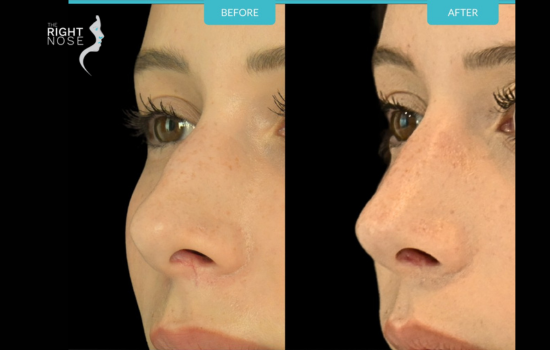
Experts like Dr. Levente Deak explain that ongoing breathing problems usually aren’t due to a failed surgery, but because the nose’s structure is very complex. Many people have a standard septoplasty to straighten a deviated septum. Even if the middle wall of the nose is straighter, the surgery might not fix the nasal valves, which are the narrowest parts of the airway.
If these valves are weak or collapse when you breathe in, just straightening the septum won’t solve the airflow problem. It’s similar to making a hallway wider but leaving the front door partly closed.
A second procedure is rarely a quick fix. It takes careful planning because the surgeon is working with changed anatomy and scar tissue. Dr. Levente usually follows one of two treatment paths:
All surgeries have risks, and second procedures are more complicated. Because the first operation changes the blood supply and leaves scar tissue, the next surgery requires even more precision.
Potential risks include:
Dr. Levente discusses these risks openly during consultations because informed patients feel more comfortable. The aim is to reduce these risks with careful planning and advanced surgical techniques.
Many patients notice improvement in breathing soon after surgery, but it may take several months for full results. Congestion and a heavy feeling in the face are common during the first week, and most people take about 7–10 days off work.
Yes. When a surgeon straightens the inside of the nose and adds support with rhinoplasty, they are not just making small changes. They are rebuilding the foundation. This combined approach often helps patients go from slight improvement to perfect breathing.
If your first surgery did not give you the clear breathing you wanted, do not give up. The nose is complex, and sometimes a specialized second surgery, like the one Dr. Levente Deak offers, is needed to get things working properly.
It’s usually best to wait at least 12 months. Your nose needs a year for swelling to go down and scar tissue to soften. Surgeons want things to be stable before planning another surgery.
Most patients say the discomfort is about the same. The surgery is more complex for the surgeon, but the recovery usually feels like stuffiness and mild pressure, not more pain.
Yes. In a revision rhinoplasty, both problems are often treated at the same time. If a collapse inside made your nose look pinched or crooked, fixing the structure usually helps how it looks, too.
When a specialist like Dr. Levente , who understands both the appearance and function of the nose, does the surgery, the success rate is very high. The key is finding the exact spot causing the blockage, whether it’s the septum, turbinates, or nasal valves, before surgery begins
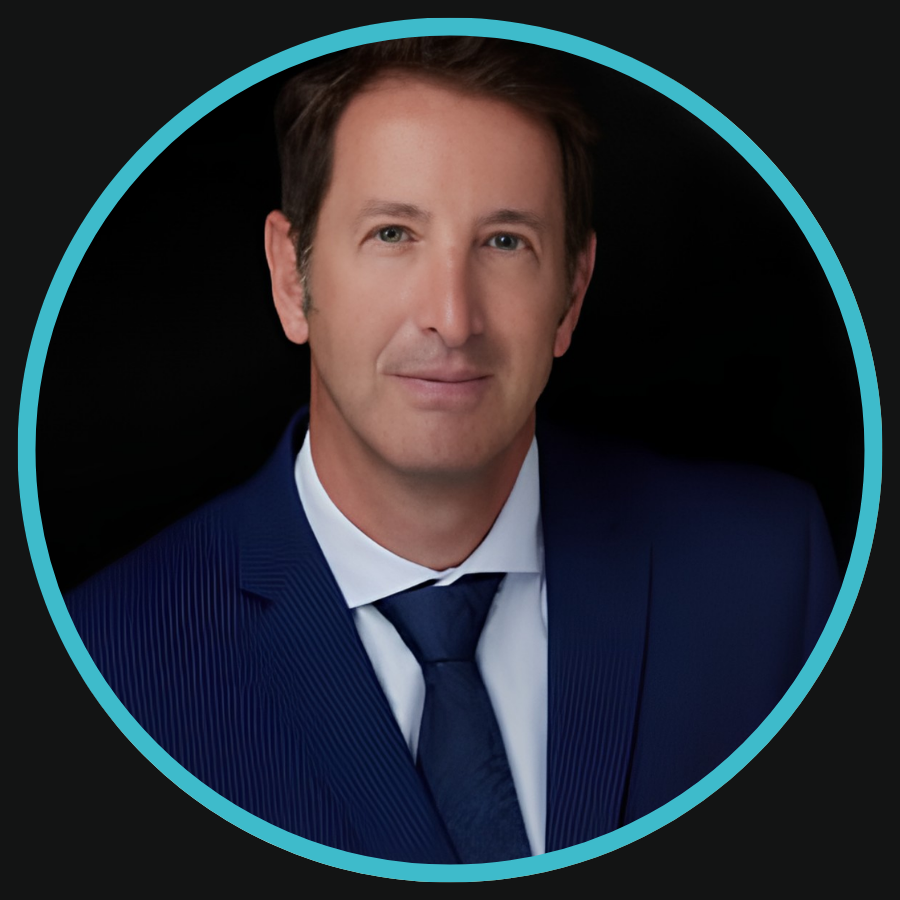
Dr. Levente Deak is a European Board-Certified ENT Surgeon and a USA and EU Dual Board-Certified Facial Plastic Surgeon based in Dubai. With over 20 years of surgical experience focused exclusively on the face, he specialises in rhinoplasty, blepharoplasty, facial rejuvenation, and nasal airway correction. An active member of the Royal College of Surgeons and the European Academy of Facial Plastic Surgery (EAFPS), Dr. Levente is known for his precision-driven, minimally invasive approach. His guiding philosophy, that every nose must be tailored to the individual, shapes every procedure he performs at The Right Nose clinic.
The content on this blog is for informational purposes only and does not constitute medical advice, diagnosis, or treatment. Individual results may vary. Always consult Dr. Levente Deak or a qualified healthcare provider before pursuing any surgical or non-surgical procedure.