


Is there really a perfect age to undergo functional nasal correction?
For years, people have relied on outdated assumptions that often prevent them from seeking care. By debunking myths about the optimal age for functional nasal surgery, we shed light on how factors such as nasal development, symptoms, and overall health play a significantly larger role than age alone.
Whether it’s functional correction or rhinoplasty surgery, understanding the truth helps patients make informed decisions.
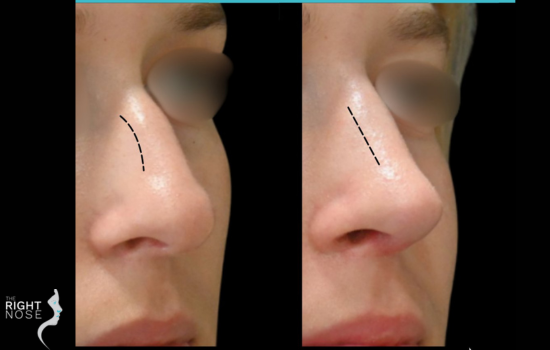
Many believe nasal surgery should only be performed after full facial maturity, but this isn’t always true.
When breathing issues interfere with sleep, growth, or daily activities, functional correction can be safely performed in the mid-teens, and in some cases, even earlier. Surgeons carefully assess nasal development to ensure the procedure supports healthy long-term growth.
Age alone is rarely a limiting factor. What matters most is overall health, nasal anatomy, and the presence of functional concerns such as obstruction or chronic sinus issues.
Many adults, even those in their later years, successfully undergo functional nasal procedures or rhinoplasty surgery to improve their breathing and overall comfort.
This misconception often leads people to delay treatment. Functional nasal surgery addresses real medical issues, such as a deviated septum, turbinate hypertrophy, or nasal valve collapse, not just appearance.
While it can be combined with rhinoplasty surgery, the primary aim is to restore healthy airflow and function.
Modern techniques prioritise structural stability and long-term outcomes.
When performed by experienced surgeons, early functional correction typically supports healthier nasal development and reduces the need for future interventions, rather than increasing it.
Breathing problems rarely improve on their own. Delaying necessary evaluation or treatment can lead to chronic congestion, sleep disturbances, headaches, and reduced quality of life.
Early diagnosis and timely functional correction can prevent these issues from becoming long-term problems.
Functional nasal surgery is guided by symptoms and nasal structure rather than a strict age, making the ideal age for rhinoplasty flexible. Surgery is often recommended in these situations:
Understanding nasal growth is key when considering surgery, but the rhinoplasty age limit is often misunderstood.
Key takeaway: The so-called rhinoplasty age limit is flexible. Functional needs, nasal maturity, and health factors are far more important than meeting a specific number.
Take the first step toward better nasal function and appearance with confidence. At every stage, your comfort and satisfaction are our top priorities.
With training from world-renowned institutions and an exclusive focus on nasal surgeries, Dr Levente Deak brings unmatched expertise to both functional and cosmetic rhinoplasty. His personalised approach ensures every procedure is carefully planned to suit your unique anatomy and needs.
Wondering about the ideal age for rhinoplasty or functional nasal surgery?
Trust Dr Levente Deak to provide expert guidance and safe, effective treatment tailored to your stage of life.
There isn’t a single “best age.” Surgery is typically considered once nasal growth is mostly complete (around 15–16 years for girls, 16–17 years for boys), but functional needs, health, and anatomy take precedence over chronological age.
No strict upper limit exists. Older adults can safely undergo functional or cosmetic rhinoplasty as long as they are in good overall health and realistic about outcomes.
Healing may be slightly slower with age, but proper surgical technique, post-operative care, and overall health are far more important than age alone in determining recovery.
Not necessarily. Surgeons plan procedures around nasal growth and anatomy. While future adjustments are possible, early surgery does not automatically mean additional operations.
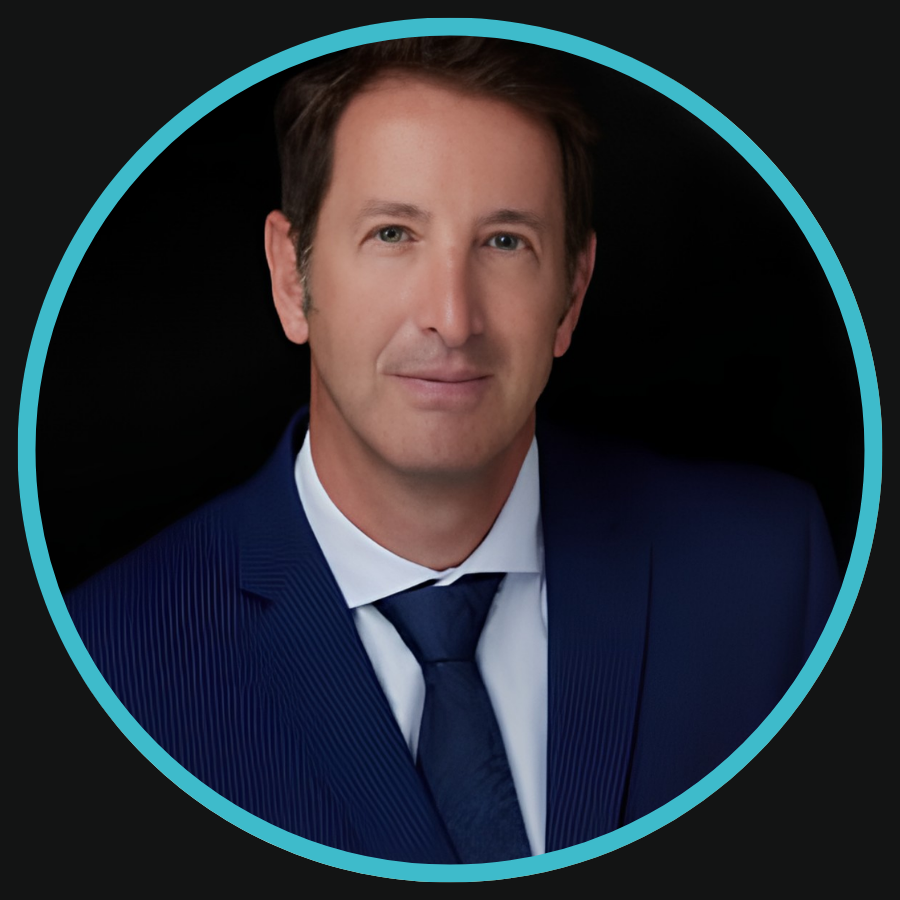
Dr. Levente Deak is a European Board-Certified ENT Surgeon and a USA and EU Dual Board-Certified Facial Plastic Surgeon based in Dubai. With over 20 years of surgical experience focused exclusively on the face, he specialises in rhinoplasty, blepharoplasty, facial rejuvenation, and nasal airway correction. An active member of the Royal College of Surgeons and the European Academy of Facial Plastic Surgery (EAFPS), Dr. Levente is known for his precision-driven, minimally invasive approach. His guiding philosophy, that every nose must be tailored to the individual, shapes every procedure he performs at The Right Nose clinic.
The content on this blog is for informational purposes only and does not constitute medical advice, diagnosis, or treatment. Individual results may vary. Always consult Dr. Levente Deak or a qualified healthcare provider before pursuing any surgical or non-surgical procedure.