







Deep Plane Facelift in
Dubai
Deep Plane Facelift
in dubai
Elevate facial contours with advanced facelift techniques
Have you ever noticed how the face is often the first place to reveal the signs of ageing? Over time, the cheeks start to drop, the jawline loses definition, deeper folds settle in around the mouth, and the skin along the neck begins to sag.
Skincare products, injectables, and non-surgical treatments can help with surface concerns for a while, but when significant sagging develops, they are not able to reposition the deeper facial tissues underneath.
A deep plane facelift in Dubai is an advanced surgical technique designed to restore youthful facial structure by lifting and repositioning the deeper support layers of the face rather than simply tightening the skin. This modern approach gets to the root of facial ageing at an anatomical level, helping to bring about rejuvenation that feels natural, balanced, and built to last.
At the clinic of Dr Levente Deak, treatment planning is tailored carefully to each patient’s facial anatomy, ageing pattern, skin quality, and aesthetic goals.
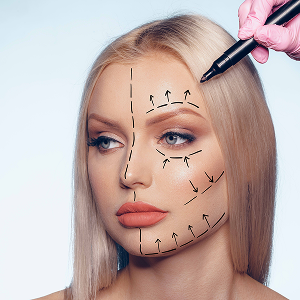
What is a Deep Plane Facelift?
A deep plane facelift is a highly specialised facial rejuvenation procedure that lifts the deeper structural layers of the face, including the SMAS layer (Superficial Musculoaponeurotic System) and retaining ligaments responsible for facial sagging.
In facial ageing, the issue is not only loose skin. The deeper tissues and fat pads gradually descend due to gravity, collagen loss, and weakening facial support structures.Tightening the skin alone is not enough to fully correct these changes. In fact, pushing skin tightening too far can sometimes do more harm than good, resulting in an unnatural look.
A deep plane facelift Dubai procedure addresses this by releasing and repositioning the deeper tissues as one continuous layer. Because the skin and underlying facial structures are lifted together, the skin itself is put under far less tension.
The procedure is particularly effective for:
- Sagging cheeks
- Jowls along the jawline
- Deep nasolabial folds
- Midface heaviness
- Neck laxity
- Loss of lower facial definition
It is widely considered one of the most advanced facelift techniques available in modern facial plastic surgery.
Understanding facial ageing: Why the face changes over time?
Facial ageing is a complex biological process involving multiple layers of the face.
These changes include:
Skin changes
| Fat redistribution The youthful face contains evenly distributed fat pads that provide smooth contours. With age, these fat pads descend and shrink, contributing to hollowing and heaviness. |
Ligament weakening The facial retaining ligaments that support facial tissues gradually loosen over time, allowing tissues to descend downward. | Bone volume loss Facial bones subtly lose volume with age, reducing structural support for the soft tissues above them. |
Why is the Deep Plane Facelift in Dubai becoming increasingly popular?
There has been growing demand for facial rejuvenation procedures that prioritise natural-looking results rather than dramatic alteration.
Many patients seeking a deep plane facelift in Dubai are looking for:
- Natural facial rejuvenation
- Long-lasting correction
- Better cheek and jawline definition
- Improvement in deep folds
- A refreshed appearance without looking “overdone”
A combination of advanced medical facilities, modern surgical techniques, and growing patient awareness around facial aesthetics has helped Dubai become a well-regarded international destination for aesthetic medicine and facial surgery.
Patients are now more informed about the differences between facelift techniques and often specifically request the deep plane method due to its anatomical advantages.
Types of Facelift procedures
Different facelift techniques are designed for different stages of facial ageing and tissue laxity.
Mini facelift
This tends to suit younger patients well, particularly those who have started to notice mild sagging or early jowls but whose overall signs of ageing are still fairly minimal.
Traditional skin-only facelift
Focused primarily on tightening loose skin, this older approach has fallen somewhat out of favour, largely because it does not address the deeper structural side of ageing.
SMAS facelift
Targets the superficial muscular layer beneath the skin and provides moderate lifting and contour improvement.
Deep plane facelift
The deeper retaining ligaments are relaxed, this approach allows the midface, jawline, and neck to be repositioned together as one composite layer.
Extended deep plane facelift
A more advanced variation that offers broader correction of the lower face and neck while improving cheek elevation.
Neck lift
Focuses on platysma muscle tightening and removal of excess neck skin.
In many patients with moderate to advanced facial ageing, the deep plane facelift Dubai approach provides more comprehensive correction compared with limited facelift procedures.
Deep Plane Facelift vs SMAS Facelift: Understanding the difference
The difference between deep plane facelift surgery and a standard SMAS facelift is something that tends to come up regularly in patient conversations.
Although both procedures address deeper facial structures, they differ significantly in technique and extent of correction.
Feature | Deep Plane Facelift | SMAS Facelift |
Tissue Layer Addressed | Deeper anatomical plane beneath SMAS | Superficial SMAS layer |
Midface Elevation | More effective | Moderate |
Nasolabial Fold Improvement | Significant improvement | Limited improvement |
Facial Tension | Less skin tension | More skin tension |
Facial Movement | Preserves natural dynamics | Good but sometimes tighter appearance |
Longevity | Often longer lasting | Long lasting |
Surgical Complexity | More advanced technique | Moderately advanced |
Recovery | Slightly longer recovery | Moderate recovery |
The deep plane technique is often preferred in patients with:
- Significant jowling
- Midface descent
- Pronounced nasolabial folds
- Advanced lower facial ageing
Who is an ideal candidate for a Deep Plane Facelift in Dubai?
A consultation with Dr Levente Deak helps determine whether this procedure is suitable for a patient’s facial anatomy and aesthetic goals.
You may be an appropriate candidate if you:
- Have moderate to advanced facial sagging
- Notice loss of jawline definition
- Have deep facial folds or jowls
- Experience heaviness in the lower face
- Feel your facial appearance looks tired or aged
Most patients considering deep plane facelift results are generally between 40 and 70 years old, although candidacy depends more on tissue quality and overall health than chronological age alone.
Benefits of Deep Plane Facelift Surgery
One of the primary advantages of this technique is its ability to produce natural rejuvenation without excessive tension on the skin.
Benefits May Include:
- Restoration of youthful facial contours
- Improved cheek projection
- Better jawline definition
- Reduction of jowls
- Softer nasolabial folds
- More natural facial movement

Because the focus is on repositioning deeper structures rather than tightening, the face is able to maintain a natural expression after surgery.
How does Deep Plane Facelift Surgery work?
Consultation and surgical planning
Every face ages differently. For this reason, detailed facial analysis is essential before surgery.
During consultation, Dr Levente Deak evaluates:
- Facial symmetry
- Skin elasticity
- Fat distribution
- Bone structure
- Degree of tissue descent
- Neck laxity
- Previous surgeries or procedures
- Medical history
Clinical photography is often performed for surgical planning and assessment.
Anaesthesia
Depending on the complexity of the surgery, the procedure is usually carried out under general anaesthesia or deep intravenous sedation.
Incision placement
Incisions are made with care, concealed within the hairline, around the ears, and along natural facial creases to ensure scarring stays well out of sight.
Deep tissue release and repositioning
This stage distinguishes the deep plane technique from more superficial facelift methods.
The retaining ligaments of the face are released, allowing the deeper facial tissues to be elevated vertically into a more youthful position.
This improves:
- Midface volume
- Cheek position
- Jawline contour
- Neck definition
The skin is then redraped gently without excessive pulling.
Skin Closure
Fine suturing techniques are used to optimise scar healing and maintain natural contour transitions.
Preparing for surgery: Preoperative measures
Proper preparation improves both safety and recovery.
Patients may be advised to:
- Stop smoking several weeks before surgery
- Avoid blood-thinning medications when medically appropriate
- Maintain good hydration and nutrition
- Arrange assistance after surgery
- Complete necessary medical evaluations
- Avoid alcohol before surgery
- Follow fasting instructions carefully
Deep Plane Facelift recovery: What patients should expect?
Understanding deep plane facelift recovery helps patients prepare realistically for the healing process.
Recovery varies depending on the extent, individual healing capacity, and whether additional procedures are performed.
Immediate recovery
During the first few days:
- Swelling and bruising are expected
- Mild discomfort and tightness may occur
- Temporary numbness is common
- Dressings or drains may be used
Any pain following the procedure can usually be kept well under control with the right care and prescribed medication.
First two weeks
Most bruising and visible swelling gradually improve during this phase.
Patients are usually encouraged to:
- Rest adequately
- Keep the head elevated
- Avoid strenuous activity
- Attend follow-up appointments
By around 7 days, many patients feel comfortable walking outside and attending light social activities with greater confidence as the visible swelling and bruising begin to settle noticeably.
Long-term healing
Over the course of several months, any remaining swelling steadily improves as the facial tissues find their natural position.
Final deep plane facelift results become more refined over time, particularly around the jawline and cheeks.
Deep Plane Facelift recovery timeline
Recovery period | What patients typically experience |
Days 1–3 | Swelling, bruising, mild tightness |
Week 1 | Early healing phase, reduced discomfort |
Week 2 | Significant improvement in bruising |
Weeks 3–4 | Gradual return to work and social activities |
Months 2–3 | Improved contour definition |
Months 6–12 | Mature and refined results |
Risks and considerations of Deep Plane Facelift surgery
All surgical procedures carry risks, and patients should understand both benefits and limitations before proceeding.
Potential risks include:
- Swelling and bruising
- Bleeding
- Infection
- Scarring
- Temporary numbness
- Delayed wound healing
Will the results of a Deep Plane Facelift fade over time?
Although no surgical procedure can stop the natural ageing process, a deep plane facelift generally offers durable and long-lasting rejuvenation.
Factors influencing longevity include:
- Skin quality
- Genetics
- Sun exposure
- Smoking history
- Weight fluctuations
- Skincare habits
Understanding Deep Plane Facelift cost
The deep plane facelift cost varies based on several important factors.
These may include:
- Surgical complexity
- Anaesthesia fees
- Facility charges
- Combined procedures
- Surgeon expertise
- Extent of correction required
Patients searching online for a deep plane facelift near me should prioritise surgeon experience, anatomical expertise, patient safety, and natural-looking outcomes rather than cost alone.
Why choose Dr Levente Deak for Deep Plane Facelift surgery?
With advanced expertise in facial rejuvenation surgery and a detailed understanding of facial anatomy, Dr Levente Deak performs Deep Plane Facelift procedures with a strong focus on natural movement, structural support, and balanced facial rejuvenation. His approach is centred on lifting the deeper facial tissues rather than creating an overly tight appearance, which helps patients walk away with refined, long-lasting results.
Patients value Dr Levente Deak for:
- Advanced understanding of facial anatomy
- Individualised surgical planning
- Detailed patient education
- Honest treatment recommendations
The goal here is not to alter a patient’s identity, but to restore a younger-looking structure whilst holding onto the natural character of their face.
Restore facial definition with Deep Plane Facelift in Dubai
It is not just the skin that changes with age, as the deeper tissues descend over time, the face can quietly lose its youthful structure, contour, and definition along the way. A carefully planned deep plane facelift in Dubai offers a comprehensive approach to restoring facial balance by repositioning the deeper anatomical layers responsible for visible sagging.
At the clinic of Dr Levente Deak, every treatment plan is developed with careful attention to anatomy, safety, natural aesthetics, and long-term facial harmony.
Book your appointment today.
Some Questions That You May Have!
A deep plane facelift works by lifting the deeper facial tissues rather than simply tightening the skin, helping to create rejuvenation that looks more natural and lasts considerably longer.
Most patients return to normal social activities within two to three weeks. Mild swelling may continue improving over the following months.
Results are long-lasting and may remain visible for 10 years or more. However, the face will continue to age naturally over time.
Incisions are placed carefully around the ears and hairline to minimise visible scarring. Most scars gradually fade and become less noticeable with healing.
People with facial sagging, jowls, and loss of jawline definition are often suitable candidates. A consultation with Dr Levente Deak helps determine the best treatment approach.