



Have you ever caught your reflection and thought, “My nose looks longer than it used to” or “Why does it droop when I smile now?”
As we age, every part of our body undergoes changes, and the nose is no exception. Time can alter the shape, structure, and function of your nose, affecting both your appearance and breathing.
Aging rhinoplasty is a specialised form of nasal reshaping tailored to address these age-related changes, helping patients regain balance, confidence, and long-term comfort.
In this guide, we break down everything you need to know about aging rhinoplasty, from the procedure and benefits to recovery expectations and how your results evolve.
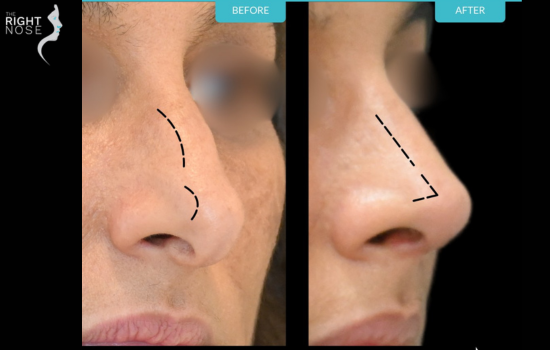
The nose is a complex structure that consists of bone, cartilage, soft tissue, and skin. As we age, each of these components changes in ways that can significantly impact both appearance and function.
Structural Changes That Occur With Time
These changes can quietly disrupt facial harmony and impact breathing. Addressing it early can make a considerable difference to both appearance and quality of life.
Dr Levente approach to aging rhinoplasty is guided by an in-depth understanding of how cartilage, skin, and facial balance evolve, allowing corrections that look appropriate now and remain stable in the future.
At its core, the procedure for aging rhinoplasty involves reshaping and reinforcing the nose’s internal structure to create a balanced, natural-looking result that looks good now and ages well.
“The goal isn’t a new nose – turn back time min 5-10 years
The aging rhinoplasty procedure begins with a thorough evaluation:
Not overdone, but subtle changes to reshape your aesthetic balance.
Aging noses require a different surgical approach. Rather than removing significat tissue and therfore destabiling the nose, aging rhinoplasty focuses on strengthening and supporting structures that naturally weaken over time, making the technique especially important.
Depending on individual anatomy and goals, the aging rhinoplasty procedure may use any of the following approaches,
This support-first approach is what helps aging rhinoplasty results remain natural, stable, and long-lasting.
“The right technique isn’t about doing more, it’s about doing what your nose actually needs.”
After any rhinoplasty, including aging rhinoplasty, recovery is an essential part of achieving the best long-term outcome, however because we stay inside natural anatomical landmarks the Healing is faster and smoother.
Quick Healing Tips for Nose Recovery after Rhinoplasty
|
Final results often arise over many months. Patience and consistent aftercare go a long way toward optimal outcomes.
Aging rhinoplasty offers a combination of aesthetic, functional and emotional benefits:
✧ Enhanced Facial Harmony – By restoring proportion and balance to the nose, the face appears more youthful.
✧ Improved Nasal Function – Relief from breathing problems due to cartilage weakening or internal collapse.
✧ Subtle Age-Appropriate Results – Not overdone but suits your current face and future aging.
✧ Structural Longevity – Reduce the likelihood of undesired changes by reinforcing cartilage and improving support.
✧ Confidence and Well-Being – Improve comfort and appearance with self-esteem
These benefits make aging rhinoplasty a well-rounded choice for patients seeking both functional and aesthetic improvement.
One of the most common questions patients ask is does rhinoplasty need maintenance?
The straightforward answer: if appropriately performed, rhinoplasty provides permanent structural changes. However, the nose, like the rest of the face, will continue to age naturally. This means that while the surgical result remains, subtle shifts due to aging can occur over decades.
By focusing on structural support rather than surface-level change, Dr Levente Deák aims to minimise the need for future intervention, creating results that continue to function and appear natural as facial aging progresses.
Aging Rhinoplasty Requires Experience – Not Trends
Aging rhinoplasty demands a deep understanding of how the nose evolves. It’s not about dramatic change, but about preserving identity while restoring support.
With extensive experience in aging-focused rhinoplasty, Dr Levente Deák is known for his support-first, conservative approach, prioritising long-term structural stability and natural facial balance over short-lived cosmetic trends.
Aging rhinoplasty is a highly individual decision that deserves careful evaluation and honest guidance.
A personalised consultation with Dr Levente Deák allows you to explore your options, understand what’s possible, and plan with confidence – without pressure or commitment.
No. Many patients choose aging rhinoplasty in their 40s and beyond, especially when addressing functional or age-related changes.
A well-supported nose typically maintains its shape, with only natural aging changes occurring.
Yes. Surgeons can rebuild or reinforce cartilage using grafts to restore structure and support.
When done properly, the nose continues to age naturally without collapse or distortion.
There is no perfect age; suitability depends on health, expectations, and nasal structure.
Rhinoplasty has a relatively low regret rate when patients have realistic expectations and choose an experienced specialist.
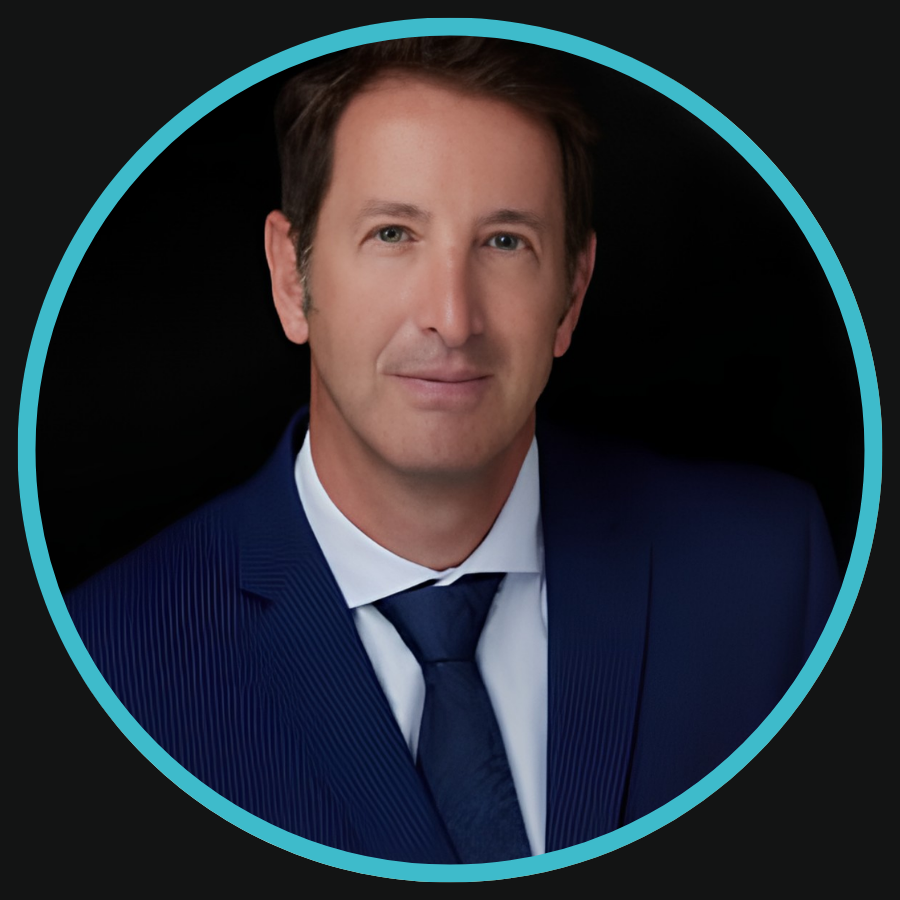
Dr. Levente Deak is a European Board-Certified ENT Surgeon and a USA and EU Dual Board-Certified Facial Plastic Surgeon based in Dubai. With over 20 years of surgical experience focused exclusively on the face, he specialises in rhinoplasty, blepharoplasty, facial rejuvenation, and nasal airway correction. An active member of the Royal College of Surgeons and the European Academy of Facial Plastic Surgery (EAFPS), Dr. Levente is known for his precision-driven, minimally invasive approach. His guiding philosophy, that every nose must be tailored to the individual, shapes every procedure he performs at The Right Nose clinic.
The content on this blog is for informational purposes only and does not constitute medical advice, diagnosis, or treatment. Individual results may vary. Always consult Dr. Levente Deak or a qualified healthcare provider before pursuing any surgical or non-surgical procedure.