


Rhinoplasty can significantly improve the shape and balance of the nose, but in some cases, patients may feel that the results do not fully meet their expectations or that new concerns have developed over time.
This is where revision rhinoplasty surgery may be considered. A revision rhinoplasty procedure aims not only to enhance appearance but also to restore the nose’s structure and function, addressing cosmetic concerns, breathing difficulties, and any changes that have occurred since the initial surgery.
Patients seek revision rhinoplasty for a variety of reasons, ranging from aesthetic concerns to breathing difficulties. Understanding the common reasons behind this decision can help patients make informed choices about their treatment and what to expect from a secondary procedure.
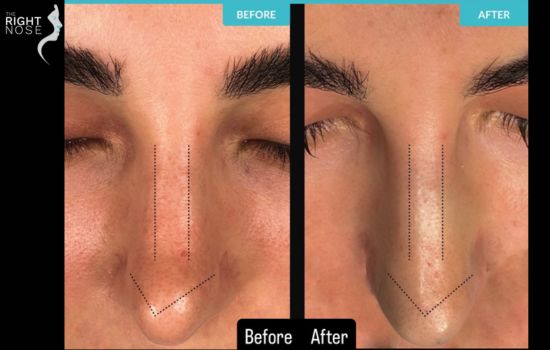
A revision rhinoplasty is a specialised type of nose surgery performed to correct or improve the results of a previous rhinoplasty. While the first surgery is intended to enhance the nose’s appearance or function, sometimes patients may experience issues such as:
Unlike a primary rhinoplasty, a revision rhinoplasty procedure can be more complex because the surgeon needs to work with existing scar tissue and altered nasal structures. The goal is to achieve a natural-looking result while improving both the appearance and function of the nose.
Patients may choose revision rhinoplasty for several reasons. Unlike a primary rhinoplasty, which often focuses on reshaping or reducing nasal structures to improve aesthetics, a revision procedure aims to restore both appearance and function, addressing any complications or changes that have arisen since the first surgery.
Common reasons include:
You can consider a revision rhinoplasty only after your nose has fully healed from your initial surgery. Healing time varies, but here’s a patient-friendly guideline:
In short: Plan revision rhinoplasty at least a year after your first surgery, unless urgent functional issues arise.
Your second chance at perfection awaits with Dr Levente Deak
With over 20 years of outstanding experience, Dr Levente Deak is recognised as one of the best revision rhinoplasty surgeons. He combines precision, expertise, and an artistic approach to help patients achieve natural-looking results and improved nasal function.
If you’re considering a revision rhinoplasty procedure, Dr Levente Deak provides personalised care, careful planning, and the expertise needed to help you achieve the nose you’ve always envisioned. Your second chance at confidence and perfection starts here.
It’s generally recommended to wait at least 12 months after your first surgery to allow swelling to subside and tissues to stabilise before a revision rhinoplasty procedure.
As with any surgery, risks include bleeding, infection, scarring, or changes in nasal shape. Because revision surgery can be more complex, it’s important to choose an experienced surgeon to minimize complications.
Recovery can take longer than the first rhinoplasty, often 2-4 weeks for initial healing, with swelling continuing to settle over several months. Following post-operative instructions is key to optimal results.
Revision rhinoplasty is relatively common, as some patients may seek correction for aesthetic concerns, breathing issues, or changes that occur during healing. Choosing a skilled surgeon can help reduce the need for future revisions.
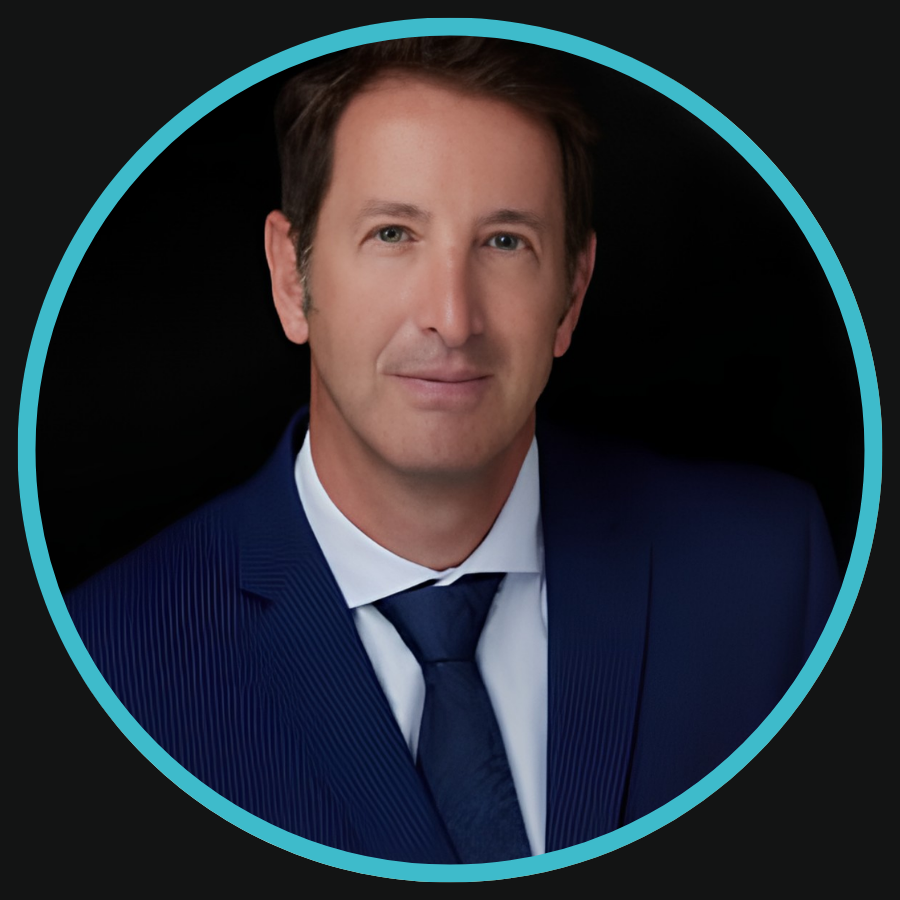
Dr. Levente Deak is a European Board-Certified ENT Surgeon and a USA and EU Dual Board-Certified Facial Plastic Surgeon based in Dubai. With over 20 years of surgical experience focused exclusively on the face, he specialises in rhinoplasty, blepharoplasty, facial rejuvenation, and nasal airway correction. An active member of the Royal College of Surgeons and the European Academy of Facial Plastic Surgery (EAFPS), Dr. Levente is known for his precision-driven, minimally invasive approach. His guiding philosophy, that every nose must be tailored to the individual, shapes every procedure he performs at The Right Nose clinic.
The content on this blog is for informational purposes only and does not constitute medical advice, diagnosis, or treatment. Individual results may vary. Always consult Dr. Levente Deak or a qualified healthcare provider before pursuing any surgical or non-surgical procedure.