






What Is Alarplasty? Everything You Need to Know
What Is Alarplasty? Everything You Need to Know
The shape and width of the nostrils can influence how the nose sits in relation to the rest of the face.
For some people, the nostril base may appear wider than they would like, particularly when viewed from the front or when smiling.
Alarplasty surgery is a technique designed to address the width or shape of the nostril base while maintaining natural nasal function and facial balance.
If you are wondering “What is Alarplasty?”, understanding what the procedure involves, who may benefit from it, how the surgery is performed and what recovery involves can help you make an informed decision.
What is alarplasty?
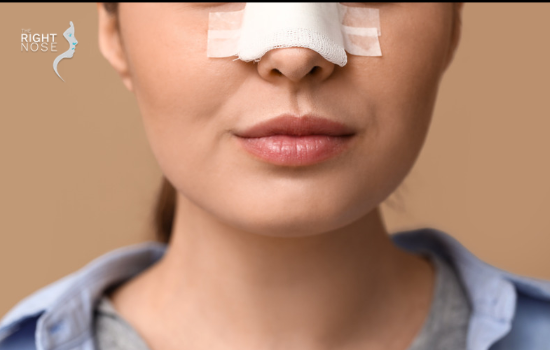
Alarplasty is a form of nasal surgery that modifies or reduces the alar base, the area of tissue forming the outer portion of each nostril.
The procedure commonly involves removing a carefully measured amount of tissue from the alar crease or base to reduce nostril width.
So, what is alarplasty intended to change?
Depending on the individual’s nasal anatomy and treatment goals, it may be considered when:
- The nostril base appears broad compared to the rest of the nose
- The nostrils flare noticeably
- The alar base appears disproportionate to the facial features
- A patient wants to refine the appearance of the nostril base as part of rhinoplasty
Alarplasty does not necessarily involve changing the nasal bridge or tip. In some cases, it may be performed as an isolated procedure; in others, it forms part of a broader rhinoplasty.
How does an alarplasty procedure work?
The alarplasty procedure is planned around the patient’s existing anatomy rather than applying the same reduction to every nose.
During consultation, the surgeon assesses the width of the nasal base, nostril shape, skin and soft-tissue characteristics, nasal symmetry and the relationship between the nose and surrounding facial structures.
Small incisions are generally made within or close to the natural crease where the nostril meets the cheek.
A measured amount of tissue may then be removed before the edges are carefully sutured. The position and length of the incision are important because excessive tissue removal can affect nostril shape or create an unnatural appearance.
The procedure may be performed under local or general anaesthesia, depending on the surgical plan and whether it is combined with other procedures.
Who may be suitable for alarplasty?
Alarplasty may be considered for adults concerned about the appearance of a broad or flared nostril base who have realistic expectations about what surgery can achieve.
However, not every person with wider nostrils needs alarplasty. Nasal proportions vary considerably, and a nostril that appears wide may be appropriate for the individual’s overall facial structure.
The appearance of a wide nostril base may also be influenced by the underlying nasal structure. In some cases, limited nasal tip support or a deviated septum may contribute to the overall appearance of the nose. Alarplasty alone may not address these underlying concerns, so the surgeon should assess nasal structure and breathing before recommending treatment.
A detailed assessment is therefore important before deciding whether alarplasty is appropriate. If breathing difficulties, nasal obstruction, prior nasal surgery, or structural concerns are present, they should also be evaluated.
Alarplasty before and after: what should you expect?
Looking at alarplasty before and after photographs can help patients understand the type of changes the procedure may produce.
However, photographs should be interpreted carefully because healing, lighting, camera angle, facial proportions and individual anatomy can all influence how results appear.
The aim is generally to achieve a proportionate nasal base rather than simply making the nostrils as narrow as possible.
A consultation can also help clarify whether an isolated alarplasty would address the concern or whether another form of rhinoplasty would be more appropriate.
What is the alarplasty recovery time?
The alarplasty recovery time is generally short when the procedure is performed on its own. Some patients may be able to resume their usual routine after around three days, although this varies according to healing, the nature of the procedure and the surgeon’s advice.
Post-operative care is important for keeping the incision clean and supporting healing. The surgeon may recommend gentle cleaning with sterile saline, where appropriate, and will explain how to care for the wound without disturbing the stitches.
During recovery, patients should:
- Follow the surgeon’s instructions for cleaning the incision.
- Use sterile saline for wound care only as directed.
- Avoid unnecessary pressure or friction around the nostrils.
- Follow advice on exercise and other daily activities.
- Attend follow-up appointments to monitor healing.
Significant bruising or pain is not necessarily expected after an isolated alarplasty, but mild tenderness, swelling or bruising can occur. Contact your surgeon if symptoms worsen or you have concerns about the incision.
Although the initial recovery period may be brief, the tissues continue to heal after the first few days. Your surgeon can advise when it is appropriate to return to work, exercise and other normal activities.
Are there risks with alarplasty?
As with any surgical procedure, alarplasty has potential risks. These may include infection, bleeding, scarring, asymmetry, changes in nostril shape, delayed healing or dissatisfaction with the cosmetic result.
Scar formation and changes in skin pigmentation around the incision are also possible. Placing the incision within the natural crease where the nostril meets the cheek may help make the scar less noticeable, although the final appearance depends on individual healing and skin characteristics.
Removing too much tissue can potentially narrow the nostrils excessively or alter the natural contour of the alar rim. This is one reason careful assessment and conservative surgical planning are important.
Patients should discuss their medical history, previous nasal procedures, medications and individual concerns with their surgeon before surgery.
How to find alarplasty near me
When searching for alarplasty near me, it is important to look beyond convenience and consider the surgeon’s training, experience in nasal surgery and approach to facial proportions.
Dr Levente Deak is a European Board-Certified ENT Surgeon and a USA and EU Dual Board-Certified Facial Plastic Surgeon, with more than 20 years of surgical experience focused exclusively on the face. His practice includes rhinoplasty, blepharoplasty and nasal airway correction with endoscopic sinus surgery.
As an active member of the Royal College of Surgeons and the European Academy of Facial Plastic Surgery (EAFPS), Dr Levente brings a focused approach to nasal and facial surgery.
His approach is centred on tailoring nasal surgery to the individual’s facial features, with attention to both appearance and nasal function.
Alarplasty surgery: what should your consultation cover?
If you are considering alarplasty surgery, your consultation should be an opportunity to discuss your concerns openly and understand whether the procedure is appropriate for you.
Your assessment may cover:
- Your nasal and facial proportions
- Nostril width and alar flare
- Nasal breathing and airway function
- Nasal tip support and septal alignment
- Previous nasal surgery or injury
- Your expectations from treatment
- Whether isolated alarplasty or another nasal procedure would be more suitable
- Potential risks, scarring and recovery
At The Right Nose Clinic, Dr Levente’s focus on nasal surgery supports an approach that considers the nose as part of the overall face rather than treating the nostril base in isolation.
Precision-led nasal surgery with Dr Levente Deak
Understanding what is alarplasty is only the first step. The decision to undergo surgery should follow a personalised assessment of your anatomy, expectations and functional needs.
With more than 20 years of experience performing facial surgery, Dr Levente Deak focuses on precision in rhinoplasty and other nasal procedures, with many procedures planned as minimally invasive, same-day surgeries where clinically appropriate.
If you are considering alarplasty or another nasal procedure, speak with Dr Levente Deak to discuss your concerns and whether surgery may be appropriate for you.
Book a consultation to explore a nasal treatment plan tailored to your facial features and individual needs.